I know about 'Switzlerand', thanks. Which is why I brought up USA/Australia/Brazil etc..
Nobody is going to argue that there are many factors that drive boundaries (aka natural boundaries) merely highlighting some counter examples doesn't deconstruct the fact that ethnicity is the primary marker.
"No. I don't know why you would think that. "
Well I don't know what to say because to me, it's 'very obvious' that ethnic boundaries are strong - I don't know how anyone could think otherwise.
In fact, if there is 'nuance' it's probably the things that you are stating that are 'less obvious'.
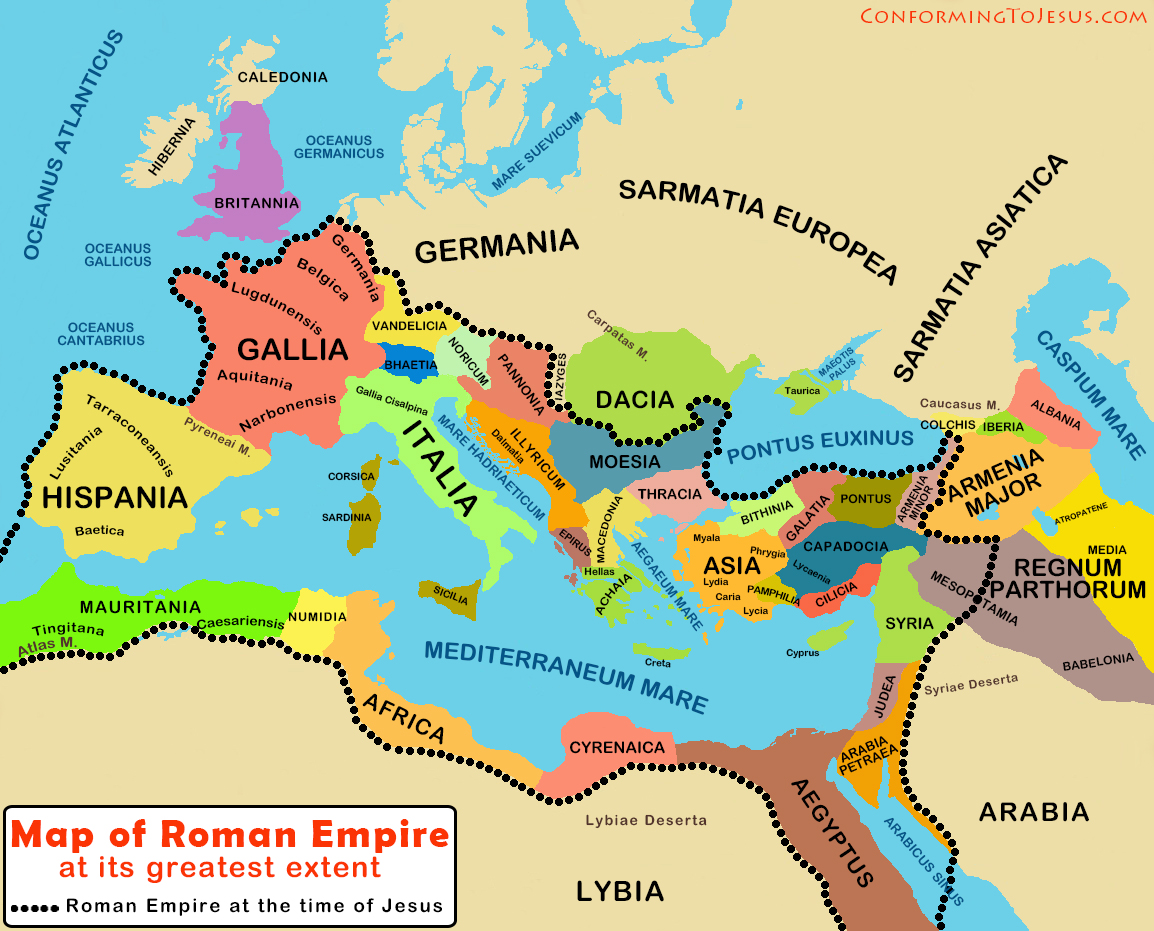
Here is a map of Rome in the year 0 [0]
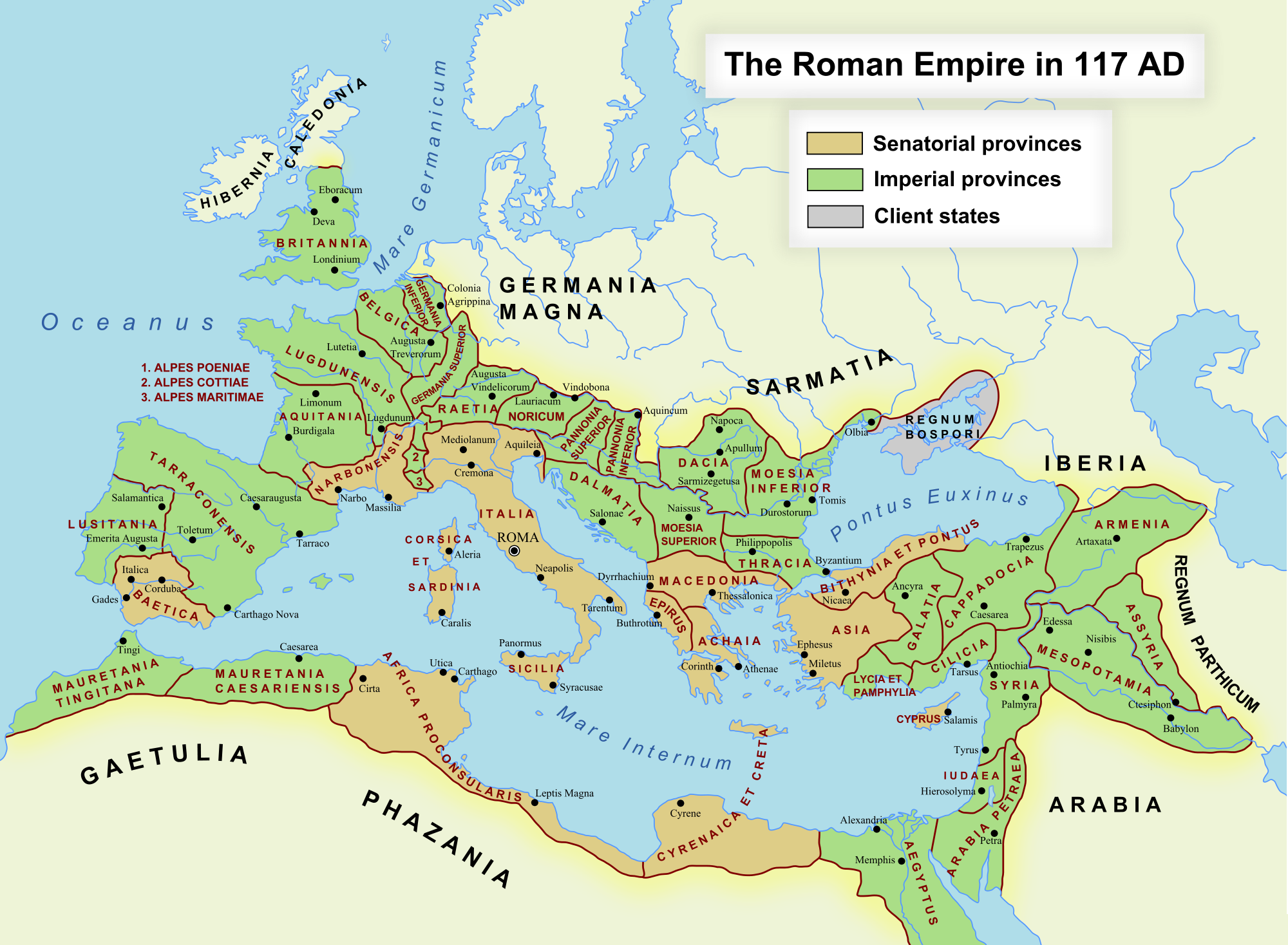
Here is a map of Europe today [1]
They are incredibly similar.
By pointing out 'that there are differences' doesn't deny that fact.
Again: "Yeah, no. The old Greece western borders stopped before that (linguistically at least), the northern border reached higher, as were the eastern borders."
That borders have shifted materially, doesn't change the underlying fact that 'Greece is strongly related to Greece'.
I think that's the clearest example of where your argument does not cross the threshold you think it does. You say 'the borders have changed' - fine - I say 'it's still pretty much Greece', which it is.
The Duchy of Savoy was mostly a political organization, not an ethnic one, and guess what? It doesn't exist.
The fragmented borders have mostly collapsed - along the lines of ethnicity, crudely. And of course, within those borders, it's fragments like a fractal (great analogy by the commenter above).
And finally, yes, 'natural borders' are obviously a framing reference, because they keep people apart, which allows groups to develop, we agree there.
[0] https://www.conformingtojesus.com/images/webpages/map_roman_...