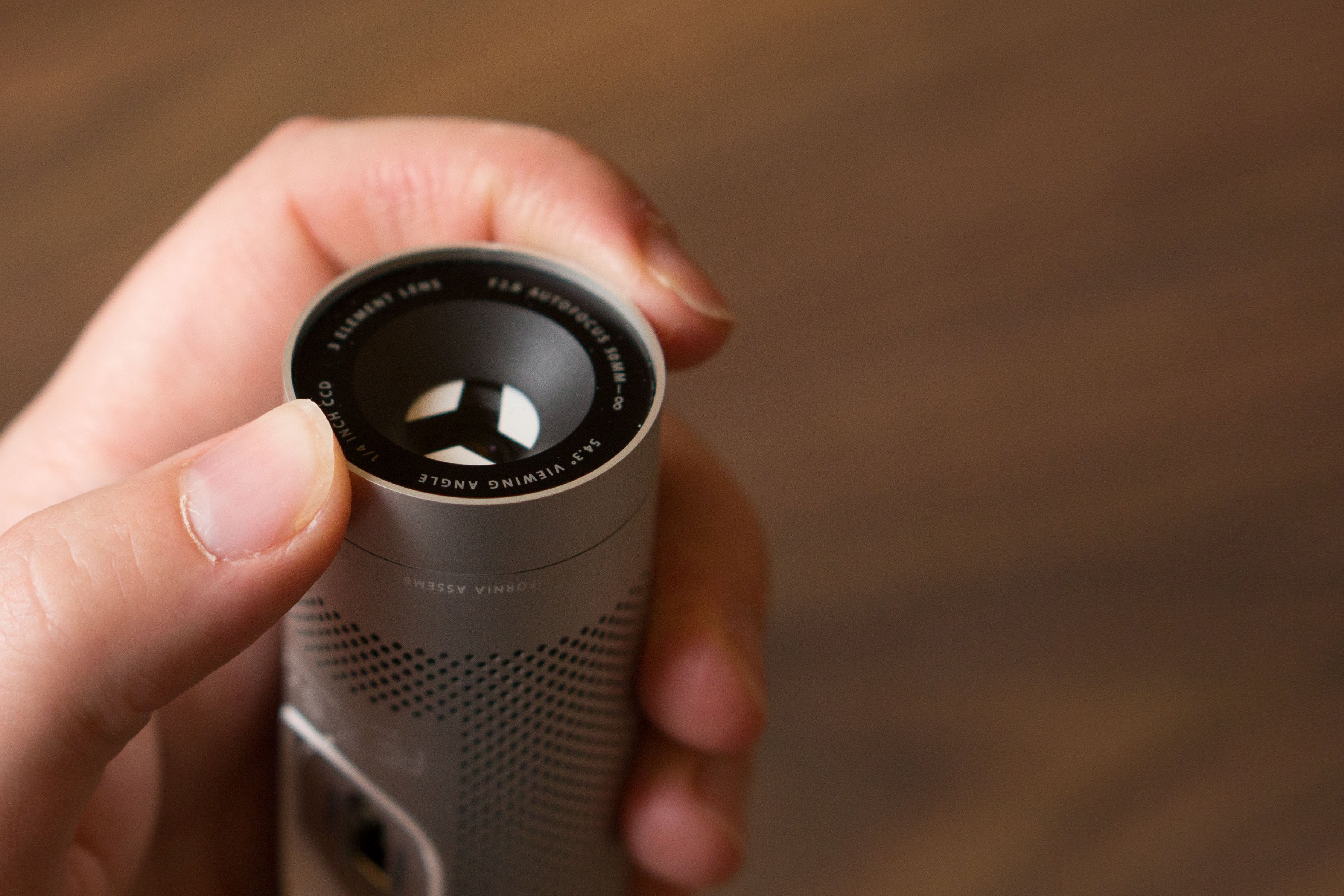
https://images.techhive.com/images/article/2015/12/isight-02...
That was good privacy-first design.
> Make sure the camera cover is not thicker than an average piece of printer paper (0.1mm).
> Avoid using a camera cover that leaves adhesive residue.
> If you install a camera cover that is thicker than 0.1mm, remove the camera cover before closing your computer.
To me this sounds reasonable.
People just kept doing what they have been doing for years with their old laptops, but now their very expensive new laptop broke -> unreasonable.
So Apple makes a metal machine with very low tolerances that feels super solid.
https://arstechnica.com/information-technology/2013/12/perv-...
Has Apple fixed the issue? Most likely. But do you trust Apple completely? Would a $0.50 piece of plastic solve that trust issue?
Some software like Zoom has invasive defaults, where a meeting host may choose to force cameras on for participants when they join a meeting. I don’t trust software to respect me, so the tape makes sure turning my camera on or off is always my decision.
I don’t see any way for a host to force video on. All I see is that they can send a request to you to turn your video on.
Anyway, the Zoom example is the least important part of my comment. I can’t trust any of those settings, because Zoom might change the defaults or overwrite what I have. I can trust tape, though. Tape won’t betray me for the sake of engagement metrics.
I use a bit of blue painters tape, which is thin enough not to put significant extra pressure on the display.
This is just common sense. Don’t close a screen and wedge something in there that occupies the millimeters of space between glass and metal. If you do so, you’re taking a risk, which maybe you’re ok with if your cover is thin, like a PostIt note.
“All Apple silicon-based Mac notebooks and Intel-based Mac notebooks with the Apple T2 Security Chip feature a hardware disconnect that disables the microphone whenever the lid is closed”
[0] https://support.apple.com/guide/security/hardware-microphone...
Apple's attitude has always been condescending. Forcing users to fit the product, instead of the other way around. Then again, this totalitarian mentality isn't only confined to Apple.
No, if they added one it would show that they actually care about reassuring their users' privacy, instead of merely saying "trust us".
We’ve had plenty of app developers manipulate the microphone without permission until Apple cracked down on it. With the latest versions of macOS, Apple has done the same. But it seems to me if people are wary of their computer, maybe they shouldn’t forget about the other computer they’re probably looking at way more often.
Literally saying a Mac camera is an always-on device, regardless if the LED is illuminated or not.
Seems worth checking.
As a former colleague pointed out: If some on is so far into my computer that they can disable the camera LED and turn on the camera, having leaked pictures of me walking around in my underwear is the least of my concerns.
He had a point. We're so afraid of bad guys spying on us using the built in camera that we forget if they are so far into our machines they can steal pretty much everything else.
In the "better" category, Apple claims webcam access is controlled by the secure enclave processor, which is more than most manufacturers do.
But, the latest Macs don't have a LED for the mic, which is a disappointment. Good old MacBooks had a LED indicator for the mic.
EDIT: sorry, my memory failed me. The old MacBooks didn't have a LED for the mic. On white plastic MacBooks (2006), there's two black dots around the camera. The dot on the right side is a LED for the camera. The dot on the left side is the mic, not the LED indicator for it. Thanks for correcting me!
This isn't true. I just tested it. There is definitely a physical LED next to the camera, within the "notch" area of the display.
Genuinely curious if this is a thing.
Between the 4 cameras in my phone and the CCTV everywhere, seems a bit of a little odd for the computer camera point directly at the operator to be the greatest concern and mandated to be covered.
Of course people arent just covering their camera, they are doing something to disable the audio capture as well right?
People who are working remotely, especially from home, are often in control of everything except their work laptop. The camera pointed right at you is poised to capture extremely private and intimate moments, because you don't _expect_ it to be on. But there's a precident of laptops owned by third-parties spying on their users.
It's especially problematic when those users are children. E.g. https://www.theguardian.com/commentisfree/2021/oct/11/us-stu...
My private and intimate moments are had while my work laptop is off. The web filter blocks youtube, so I doubt private and intimate websites are allowed between zoom meetings.
Back in the less precision engineered days I used a cover - but since about 2015 I've been using a bit of blue masking tape. Works fine and in 7 years I've never had issues with adhesive residue
This isn't unreasonable. Attackers that have managed to compromise systems do use compromising photos as leverage. Literally it's called sextortion[0]. With the small price of a camera cover, you can be reasonably confident you're not a victim.
[0]: https://www.allure.com/story/online-predators-blackmail-sext...
There are plenty of other examples of cases where this specific brand of paranoia is reasonable
I recommend "washi tape" if you can find it.
Pro tip: fold one end of the tape over onto itself to stick together, you now have a pull-tab to easily remove the tape it if you need to make a video call.