Long distance (to most destinations) calling probably switched to digital trunks faster than local calling, because long distance calling was already separate equipment from local calling, and replacing central office switches is a big process (including a pretty intense cutover [1]).
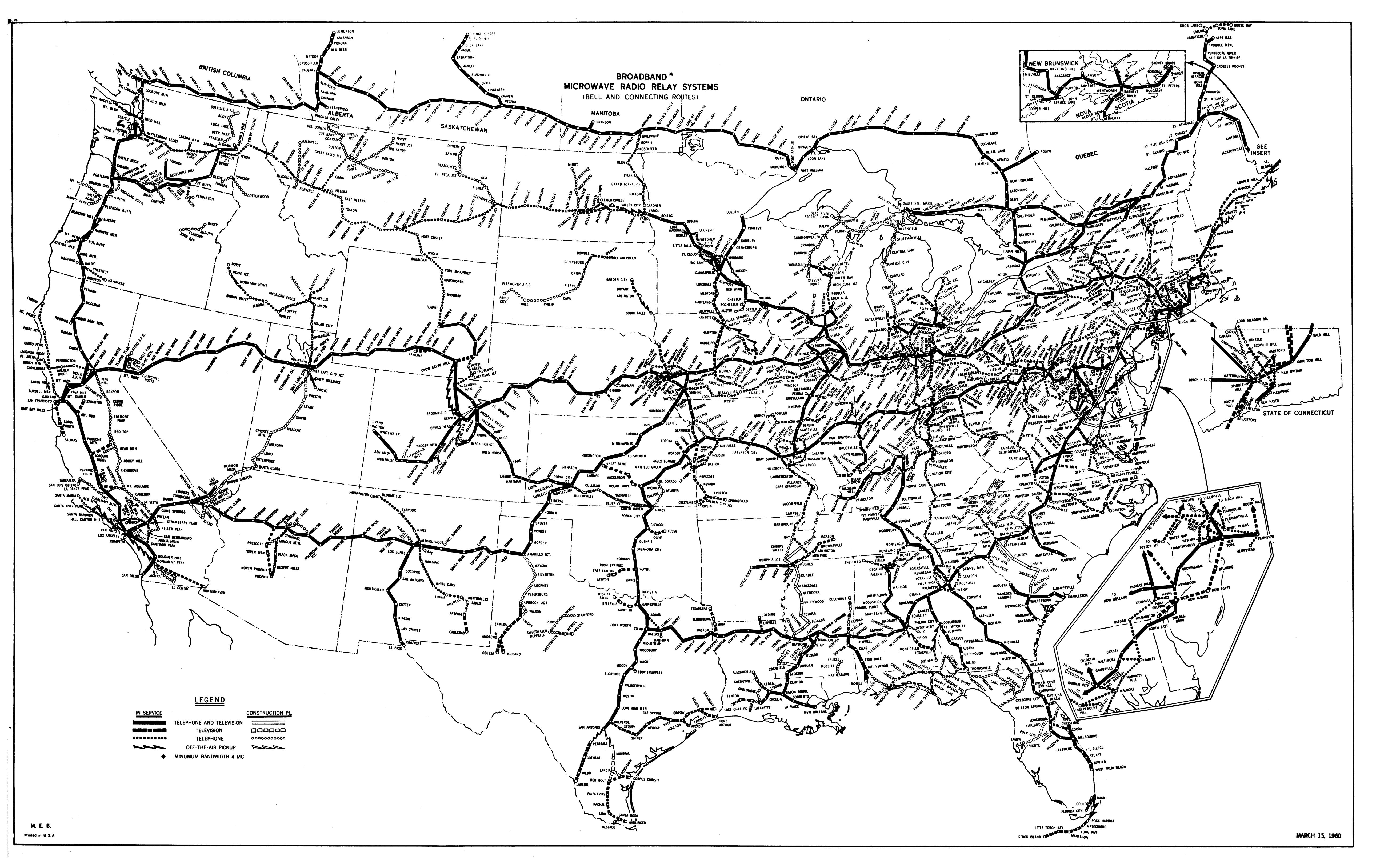
Long distance calling would have more equipment in the path than a local call, of course, and may not have had very optimal routing paths compared to today. I found a route map from the 1960 AT&T Long Lines network [2], and a fiber map with no provenance of 'today' [3] ... it's widely similar, but there's some routes that pop out at me as not being well connected in the 1960: Salt Lake City to Seattle; Amarillo, TX to Dallas, TX. On the other hand, Long Lines was radio, and radio is faster than fiber, so that makes up a little.
There may have also been more cases where routing was simplified to be more manageable at the expense of delay... AT&T wouldn't have run long distance trunks from everywhere to everywhere, you might need to do hierarchical routing --- if you're on the east coast, route to New York, and from there to the big city near your destination, and then to destination, etc. There's still some of that in internet routing, but it's a lot less. BGP and internal routing protocols make it a lot easier to manage more direct connections and let the software figure things out.
But there's no need to add a large buffer for voice data for POTS, and it was very expensive to do it, so it wasn't done. There is a need to do it for VoIP, and it's no longer expensive, so it is done.
[1] https://www.youtube.com/watch?v=saRir95iIWk
[2] http://www.long-lines.net/places-routes/maps/MW6003.jpg from http://www.long-lines.net/places-routes/maps/MW6003.jpg
[3] https://i.insider.com/56e03df7918a0f7333e350f3?width=1190
[4] https://telephoneworld.org/telephone-switching-systems/step-...