Total monetary value of agricultural exports is a terrible way to measure output. It doesn't take into account: 1. Re-exports (Rotterdam is the largest port in Europe) 2. Specialisation in the production of certain goods (i.e. high imports and exports) 3. The high price of agricultural goods in Europe, driven by high trade barriers. 4. Low domestic consumption compared to more populous nations.
For a better analysis of the monetary value of Dutch agricultural exports see here: https://www.cbs.nl/en-gb/news/2018/03/dutch-agricultural-exp...
Note for example the 22.5 billion Euros in re-exports of agricultural goods.
90% reduction in water usage is also hard to judge without looking at changes in other advanced agricultural nations.
It would be more interesting to see the yields per-hectare the Dutch are achieving compared to other advanced agricultural nations.
At some point during Ceausescu’s later years Romania (my country) was one of the largest exporters of bananas in the world, as Romania was trading with many African countries using barter: we give you tractors and Romanian-built replicas of the AK-47, you give us bananas. Those bananas were later re-sold by the Romanian Government for much needed foreign currency.
http://statline.cbs.nl/StatWeb/publication/?PA=7100oogs
Few examples (2017 data):
  Potatoes    36 900 kg/ha
  Sugar beets 93 300 kg/ha
  Wheat        9 100 kg/ha
  Rye          3 200 kg/ha
  Corn        13 500 kg/ha - 48 900 kg/ha (different kinds)
Onions 55 700 kg/haLow transport costs also helped The Netherlands achieve this position. Numerous highways, railways and waterways connect it to it's neighbours.
Though that’s a global average, and may be just as amazing in the US.
The only problem with greenhouse food is that it tastes like nothing. A tomato grown on soil has much more taste than grown on water.
They tend to pump CO2 into them to increase growth, that has the unfortunate effect of decreasing nutritional content. https://www.bbc.com/news/science-environment-27308720
I'm sure I've seen research for other veg also, but my google fu is failing me at the mo.
Greenhouses in the Netherlands are heated with natural gas. The Dutch government subsidises the gas so they can keep their costs low and be competitive. So that's another reason to eat organic food; it is more sustainable because it uses natural sunlight. And tastier as well!
Is this some weird side effect of the tariffs and CAP? It's cheaper for Europe to burn fossil fuels and build robots to grow tomatoes in cold climates with expensive labour, than import them from warm climates with cheap labour?
Likewise, Italy imports a lot of tomatoes (more than they export according to this: https://www.freshplaza.com/article/2158667/italian-table-tom...). Most of those come from the Netherlands. Italians are of course famously picky when it comes to their food. Yet they seem to buy Dutch produce.
Italy's export of tomato products is far greater than its raw tomato export: see e.g. http://www.tomatonews.com/en/global-tomato-products-trade-20...
So no, I wouldn't say that Italians like Dutch tomatoes as much as their own.
That's what modern, mass-produced agriculture gives us: tasteless, low-cost produce all-year round because price mostly trumps other factors for many, if not most, consumers. But it seems that even expensive mass-produced varieties are just as tasteless as their cheaper counterparts.
Your example of Italy is bad news - in effect countries that could produce their own are buying Dutch because it’s cheaper, presumably because economies of scale now work in Holland’s favor.
In other words we depend on a country that’s at risk of being wiped out by flooding for food _and_ that same countrys dominant market position is also holding back food production in other countries.
Sounds like the back story for a bad movie.
The expression “like Dutch tomatoes” has become an insult for vegetables being sold on the local market exactly for the reason you mention.
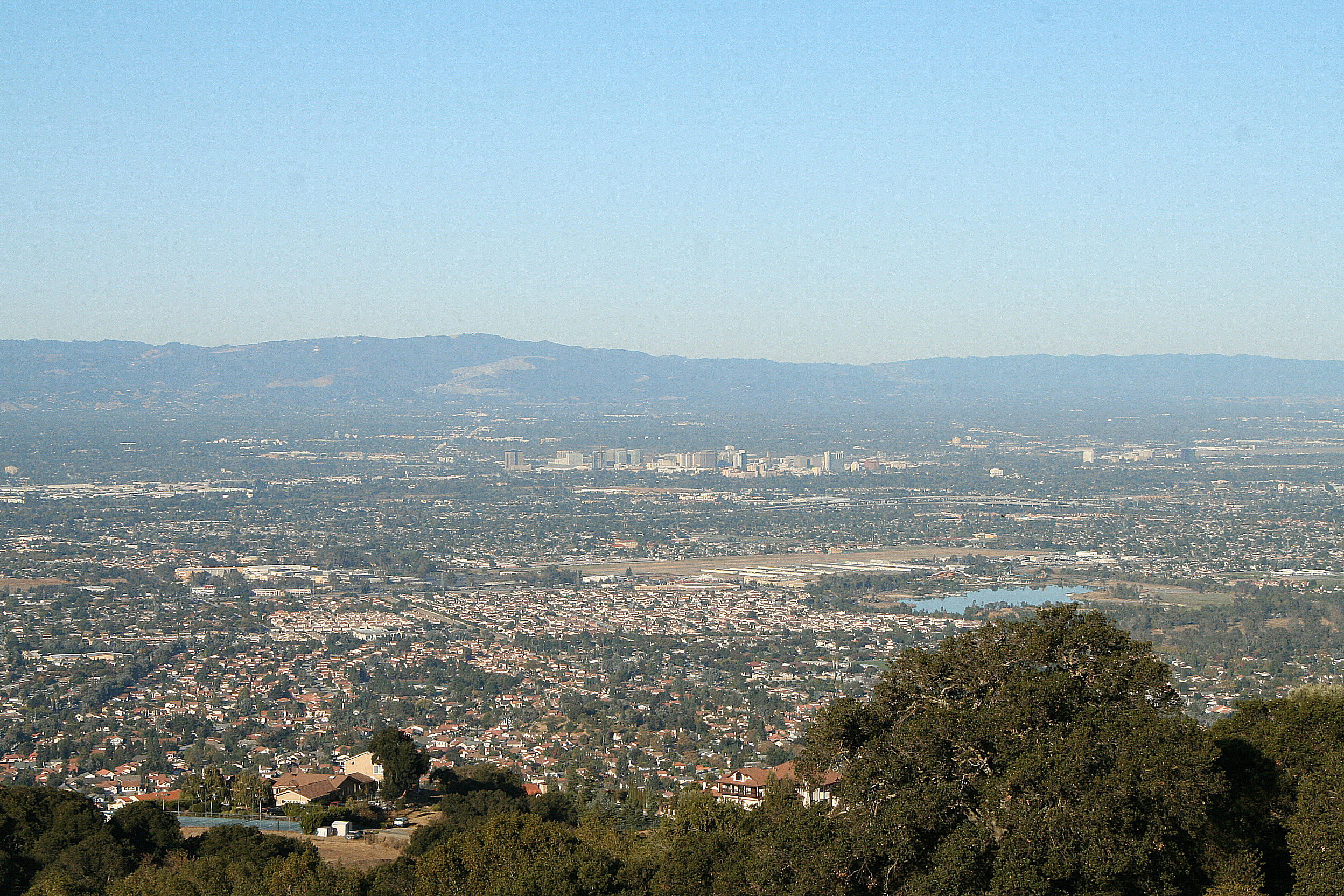
That said I was once in Silicon Valley and there were hills on the left and water on the right. Not really much of a valley either.
I also live there; but to be honest they could rename it to "Randstad Valley" given the amount of people who are moving here from Amsterdam and Utrecht.
If people should know something about how diseases & parasites appear and develop is that the existence of exactly this kind of "self-sustaining loop" is the essential part. Even in the outside environment, any given organism bares the risk of taking part in development of a new parasitic creature's life-cycle, but that risk is greatly reduced by having an inconsistent pattern of interaction with other symbiotic creatures. Here the people involved are just asking for it (unless they go out their way to sterilize the substances circulating in that plant-fish loop).
However I really dislike greenhouses like these for the huge amount of light pollution they cause (speaking as an amateur astronomer). Sure, it probably doesn't matter much in a densely populated area like the Netherlands, but they start to also pop up here in Eastern Europe, in (previously-) dark-sky locations.
https://www.google.com/maps/place/Westland/@51.9915637,4.190...
https://www.google.com/maps/place/El+Ejido,+Almería,+Spain/@...